



Supporting Disability Service Providers
MOHR is the collective voice of its members - organizations providing employment and day supports to adults with disabilities throughout Minnesota. Together, we create an environment where service providers are empowered to fulfill their missions so that adults with disabilities across the state are able to lead connected and engaged lives.
-
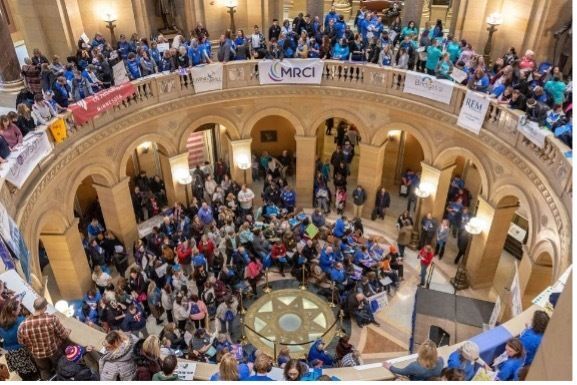
We advocate for the resources needed to support inclusive experiences and meaningful lives for people with disabilities.
Take a look. -
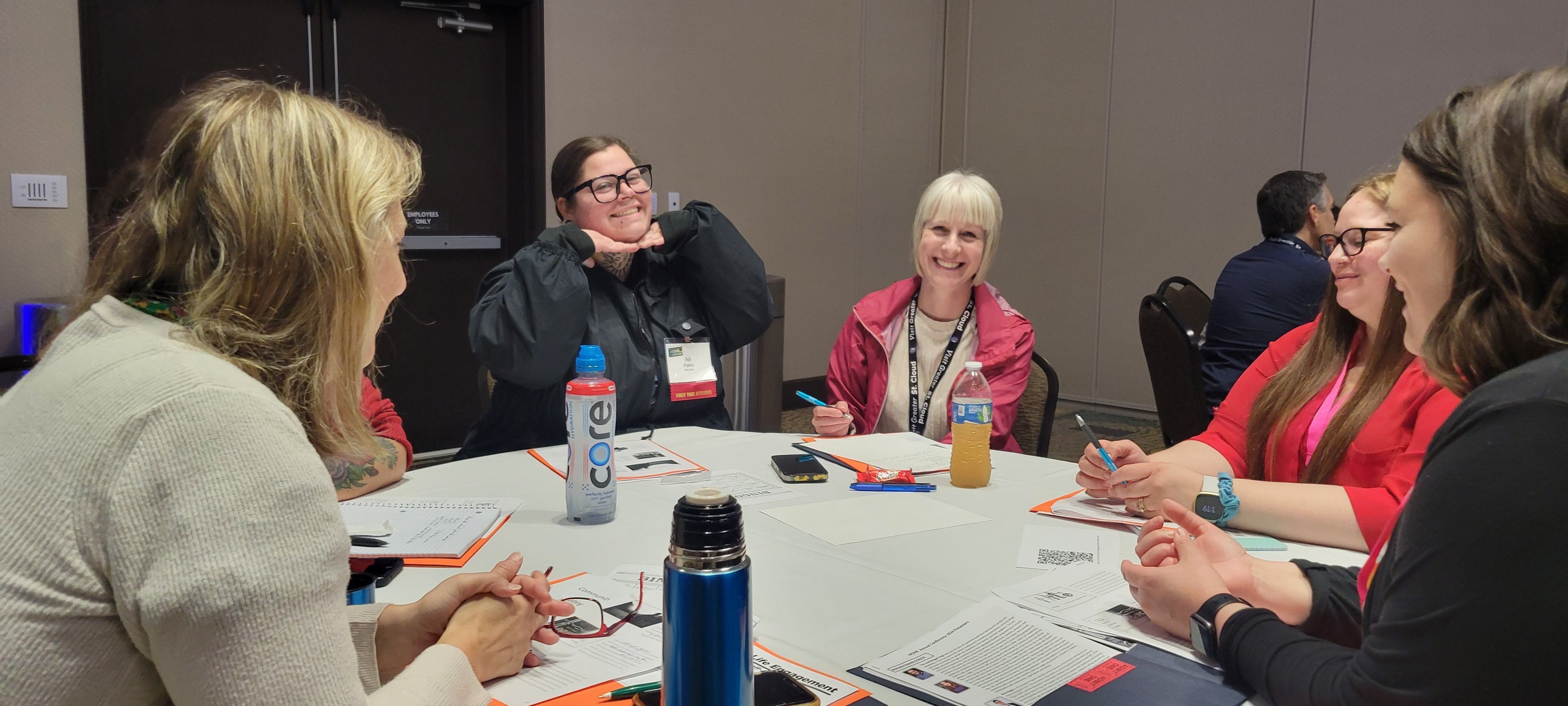
At our conferences, we provide quality best practices training for both administrative and direct support professionals. These events also provide excellent networking opportunities with others in the field.
Find out more. -
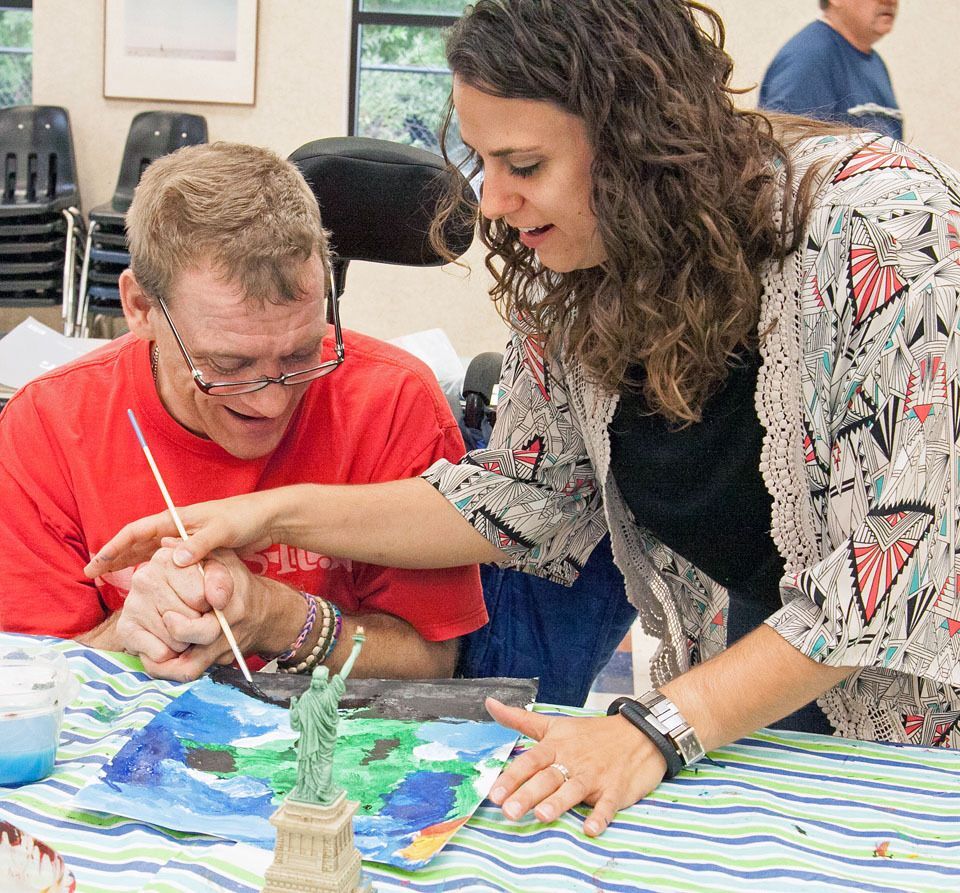
Join with other disability service providers to share knowledge and resources to advance operational excellence and advocate for sustainable, forward-looking policies and practices.
Read more.

-
Member Organizations
97
-
People and Families Supported
17,000+
-
Minnesotans with Disabilities on Waiting Lists
Over 3,000
-
Employees at Member Organizations
9,000
-
Counties Supported
All 87!
Supporting people with disabilities to lead connected and engaged lives.
MOHR News

Larissa Chovan’s journey is one filled with dedication, independence, and community involvement.
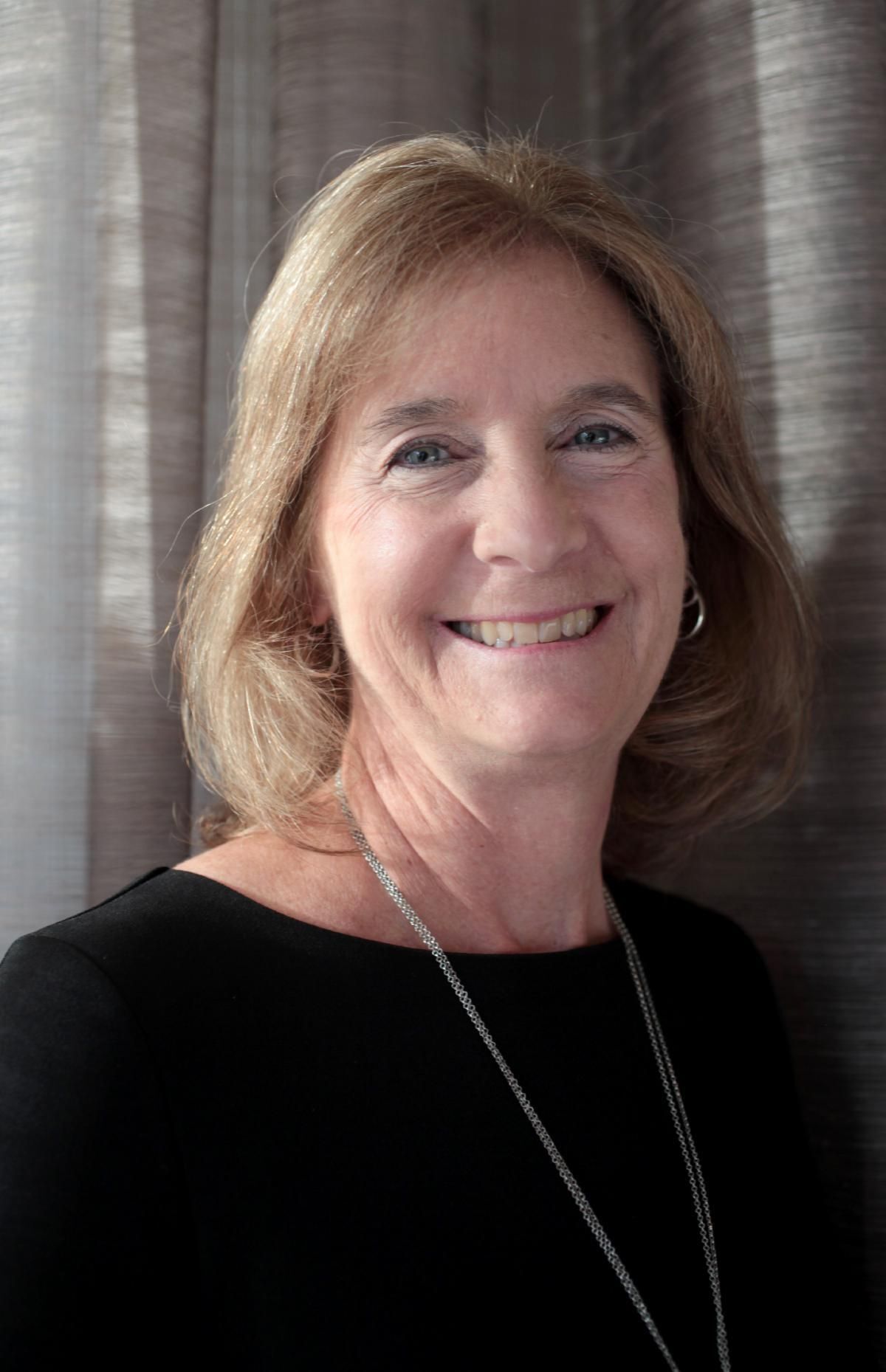
MOHR President Robin Harkonen reflects on her years with MOHR as her term nears an end: "I am filled with gratitude, satisfaction, apprehension, and a forward-thinking spirit to continue MOHR’s heritage of excellence."
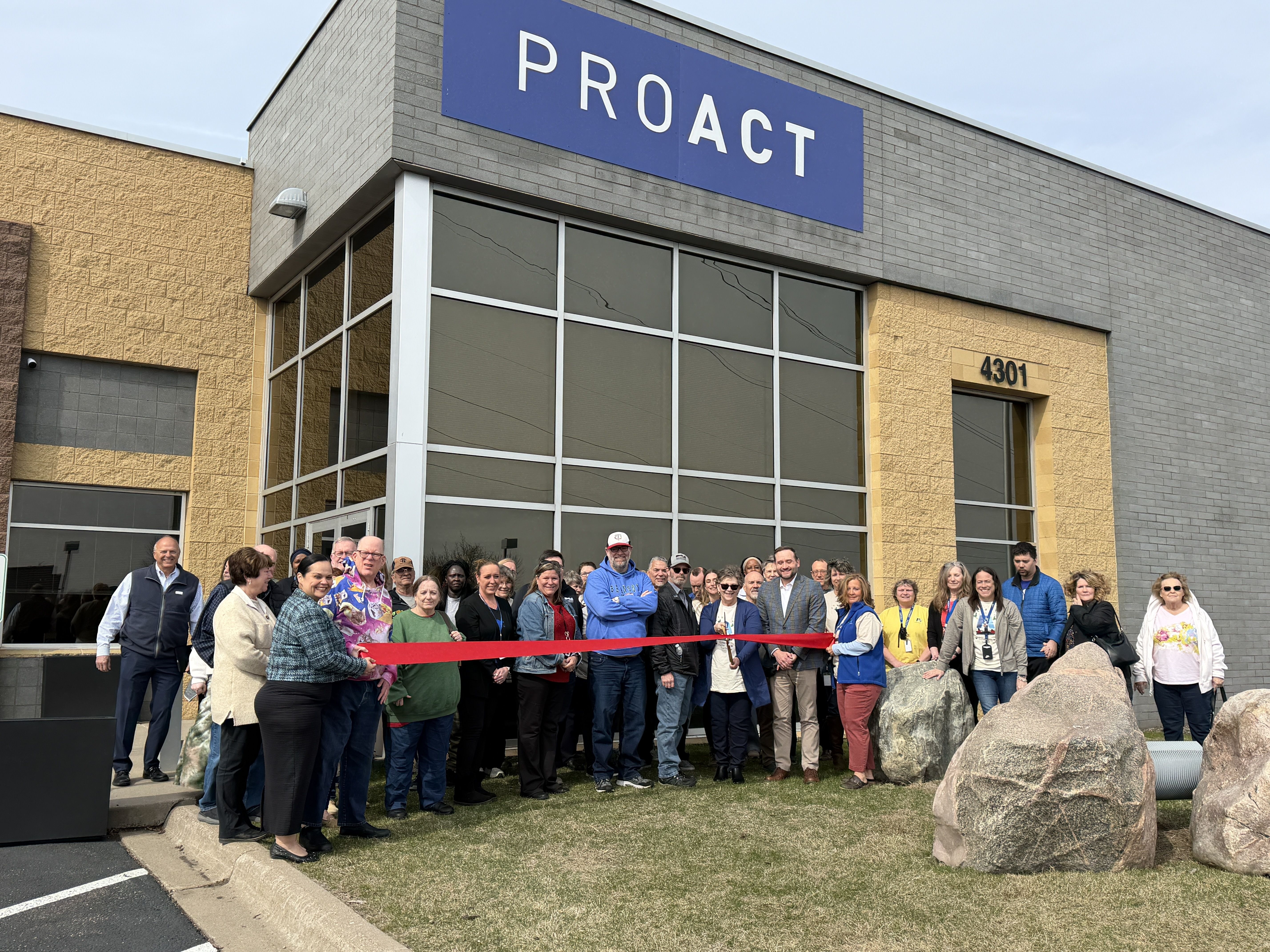
ProAct was proud to host an open house and ribbon-cutting ceremony for its new Shakopee center. All programs, services, and participants are now located at 4301 Dean Lakes Boulevard in Shakopee, just down the road from their previous home.

By the time of publication of this newsletter, the 2026 MN legislature will have less than a month remaining before their constitutionally mandated adjournment date of May 18th. If the last month of this session is anything like the first two, it will be filled with hectic advocacy against a backdrop of significant uncertainty about what – if anything – will pass this session.
